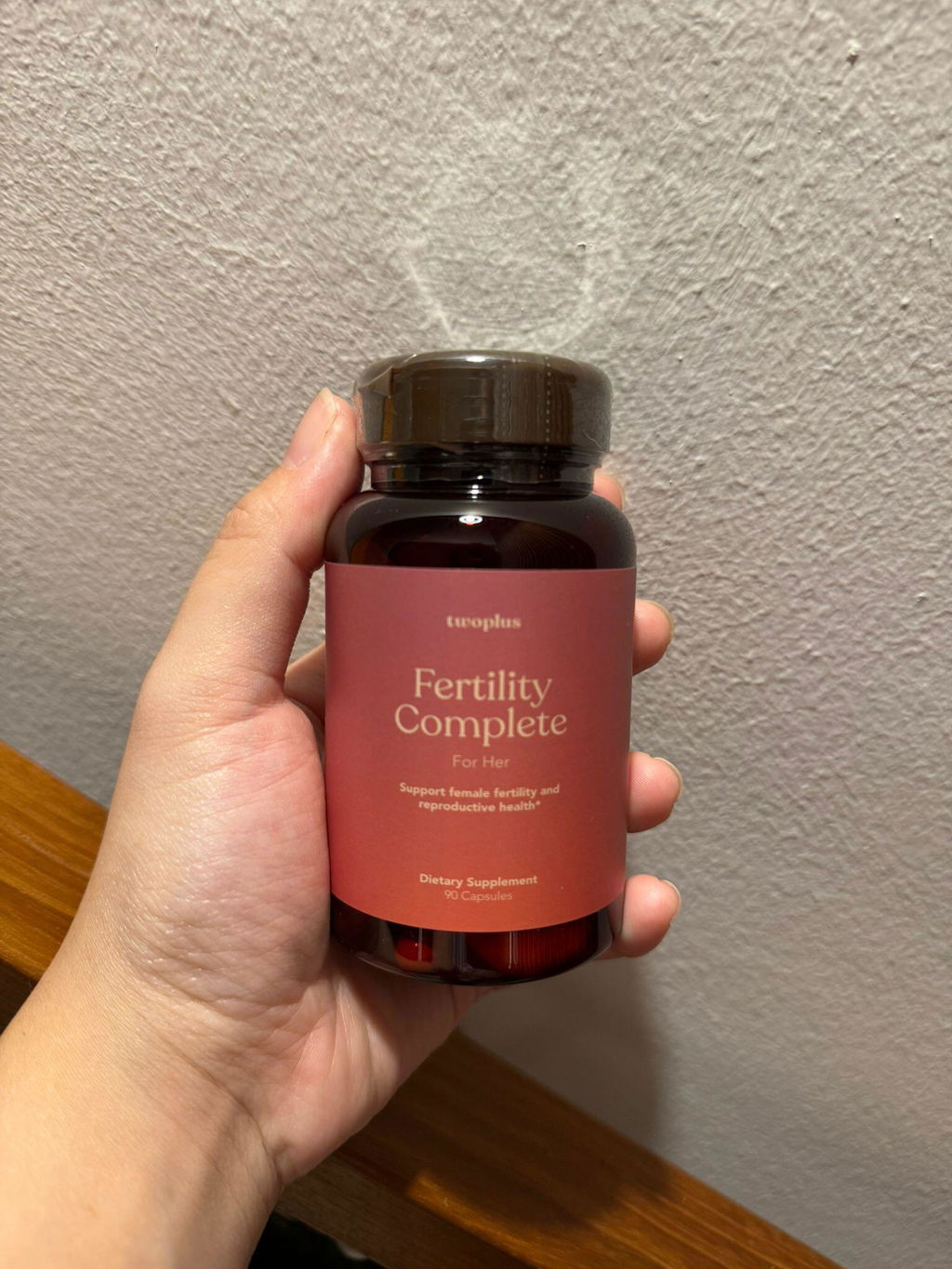
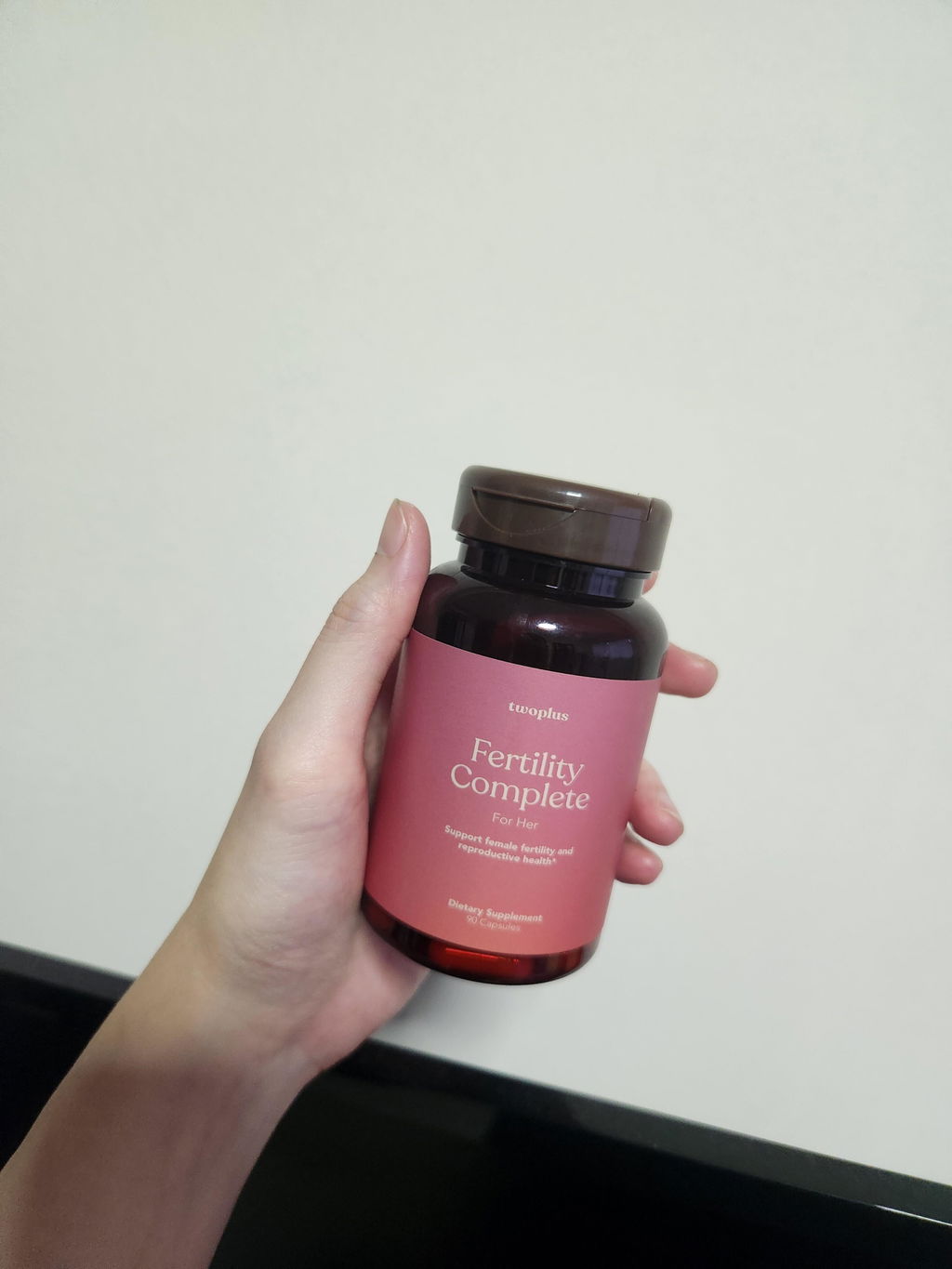
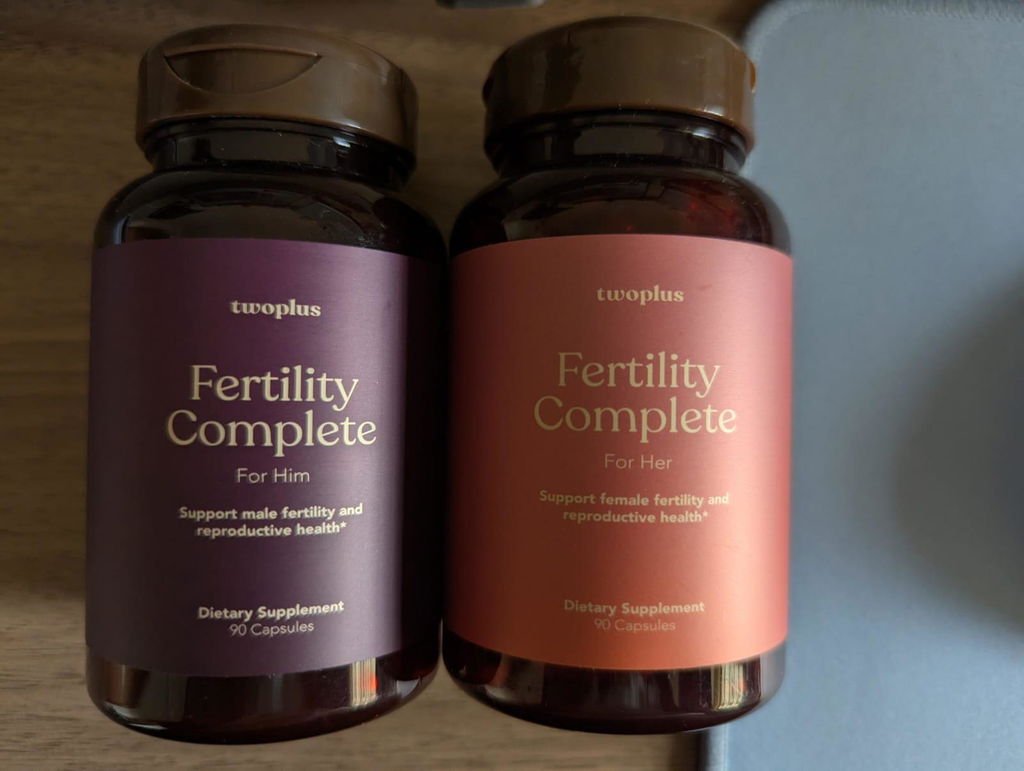
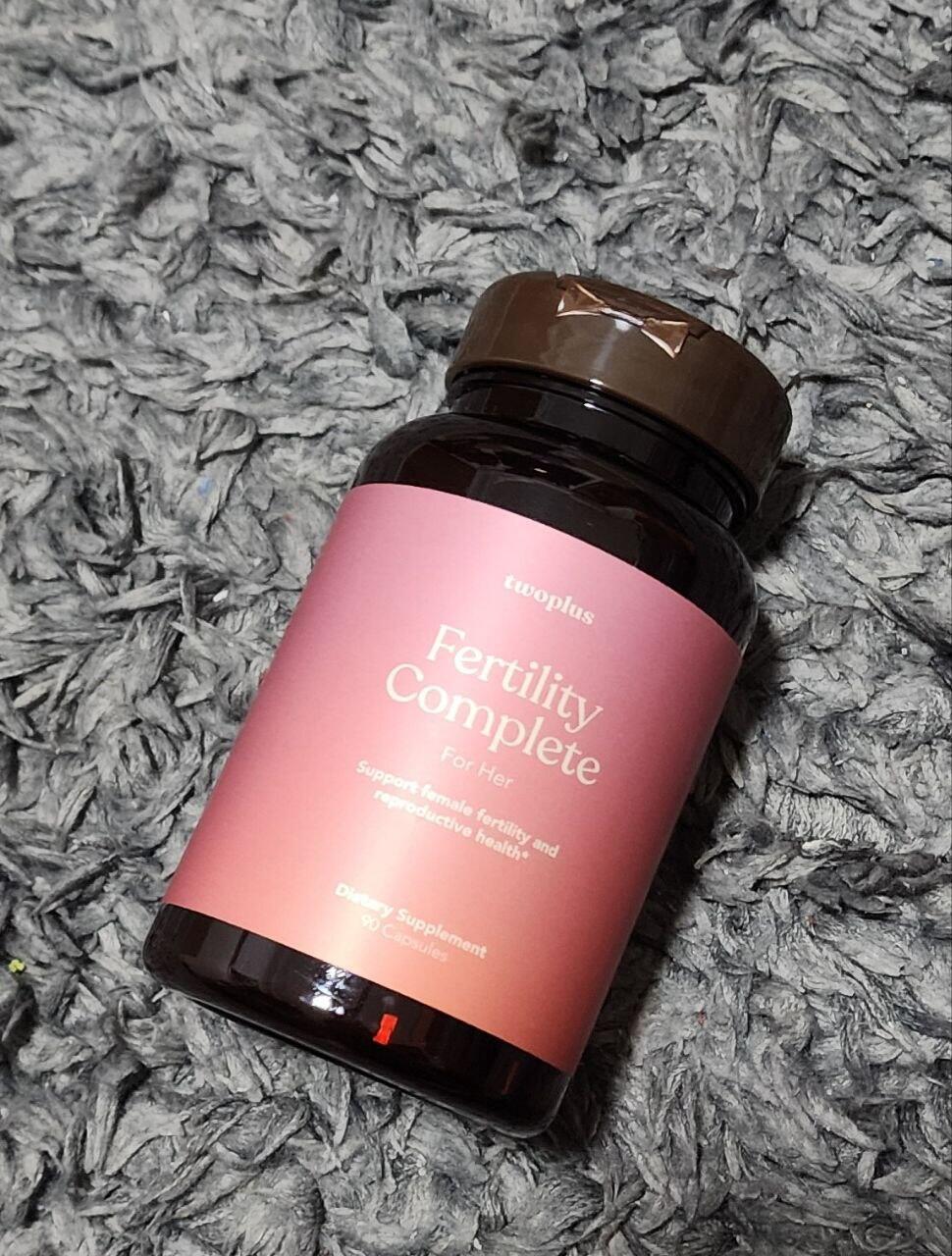
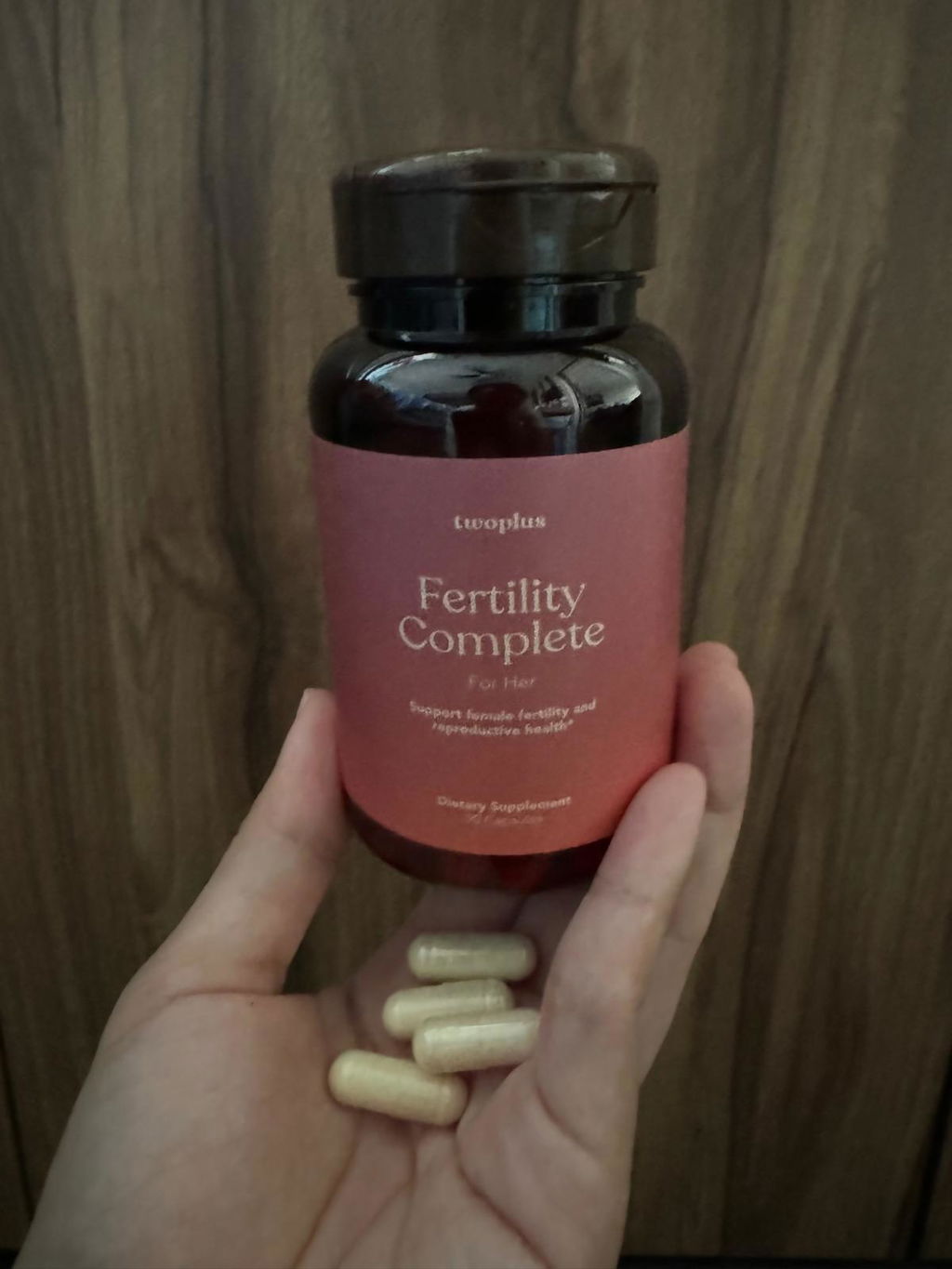
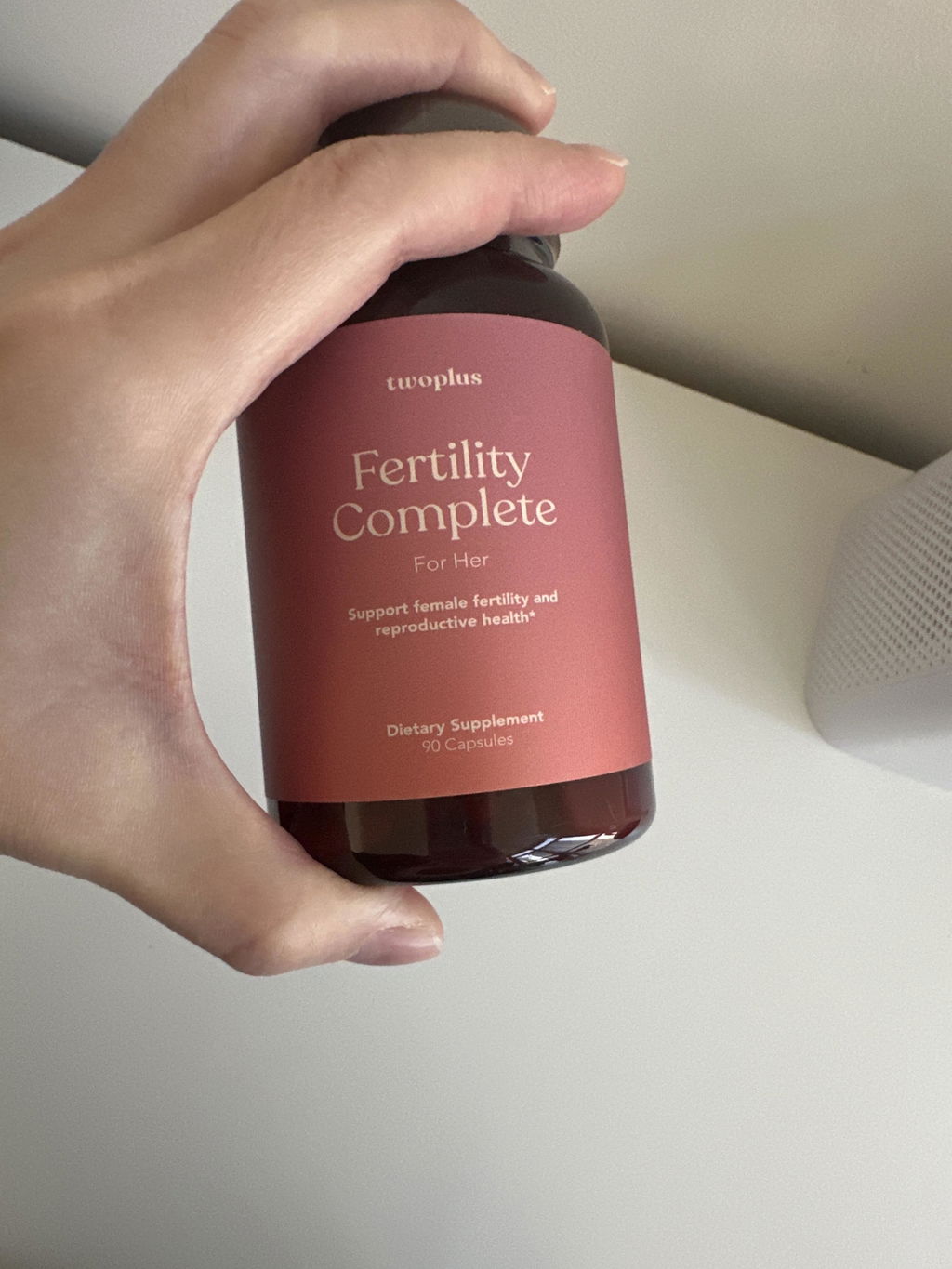
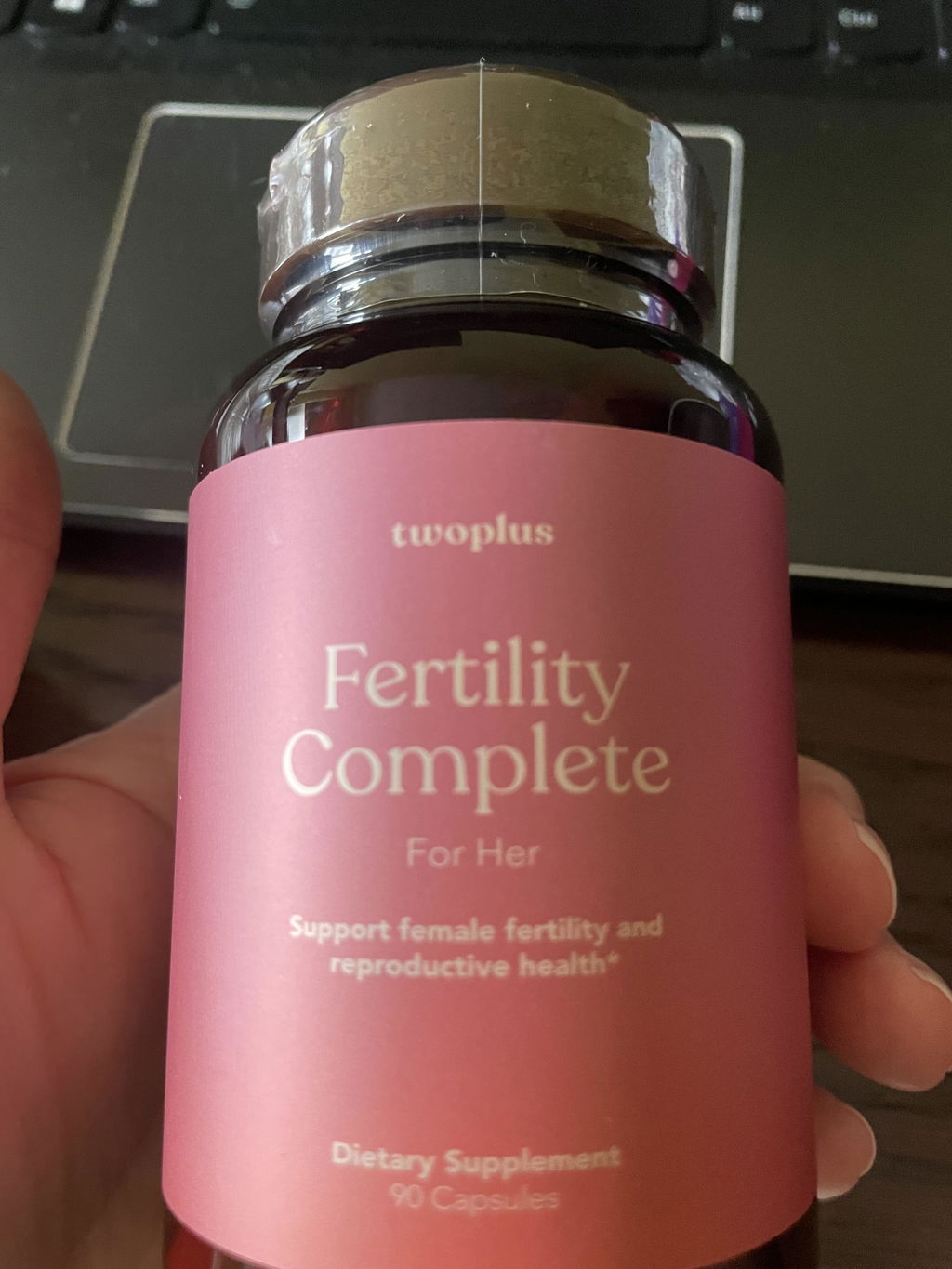
Every ingredient is backed by a body of clinical research.
Myo-inositol: Supports healthy reproductive hormones and promotes regular ovulation. May help improve egg quality and enhance insulin sensitivity.¹
D-chiro Inositol: Paired with Myo-Inositol in a natural 40: 1 ratio that supports healthy reproductive hormone balance and metabolism. Clinically studied to be the best ratio to support improved egg quality, restore ovulation and promote regular menstrual cycles.¹
CoQ10: A powerful antioxidant that supports healthy egg quality by shielding against oxidative stress and boosting mitochondrial function.²
Magnesium: Supports healthy estrogen production, a key hormone essential for egg development and ovulation.³
Iron: Maintaining adequate iron levels are crucial to support female fertility. Studies indicate that subfertile women often have low iron levels.⁴
Zinc: Essential for egg maturation and successful fertilization to occur, ensuring that only one sperm can fertilize an egg.⁵
Folic Acid: Supports healthy progesterone levels, which helps prepare the uterine lining for implantation. Essential nutrient for supporting early fetal development, cell division, and reducing the risk of neural tube defects.⁶
Vitamin A: Supports placental health and plays an essential role in the proper development of the fetus.⁷
Iodine: Essential for thyroid hormone production, which plays a crucial role in regulating menstrual cycle and ovulation.⁸
Selenium: A potent antioxidant that protects eggs from oxidative stress and may support egg quality. Low selenium levels have been linked to a longer time to pregnancy.⁹
Vitamin D: Supports the development and maturation of follicles (a sac containing an immature egg) in the ovaries, which are essential for successful conception.¹⁰
Vitamin B12: Essential for DNA synthesis, cell division, and healthy ovulation. Higher preconception B12 levels have been associated with better IVF outcomes.¹¹
Sources:
[1] Nordio et al. (2019). European Review for Medical and Pharmacological Sciences, 23, 5512–5521.
[2] Florou, P., et al. (2020) Journal of Assisted Reproduction and Genetics, 37(10), 2377-2387.
[3] Stuefer et al. (2015). BBA Clinical, 3, 196–204.
[4] Holzer et al. (2023). Frontiers in Endocrinology, 14, 1173100.
[5] Garner, T. B., et al. (2021). Biology of Reproduction, 104(5), 976-994. https://doi.org/10.1093/biolre/ioab023
[6] Gaskins et al (2012). PLoS ONE, 7(9), e46276.
[7] Ji et al (2023). Journal of Obstetrics and Gynaecology, 43(2), 2285025.
[8] Mills et al (2018). Human Reproduction, 33(3), 426–433.
[9] Grieger, J. A., et al. (2019). Nutrients, 11(7), 1609. https://doi.org/10.3390/nu11071609
[10] Jones, M., & Smith, A. B. (2024). Journal of Ovarian Research, 17(1), 88-97. https://doi.org/10.1186/s13048-024-01454-9
[11] Gaskins, A. J., Chiu, Y. H., et al. (2015). The American Journal of Clinical Nutrition, 102(4), 943-950. https://doi.org/10.3945/ajcn.115.112185